Wondering when’s the best time to travel to Malta? Whether you’re craving sun-soaked beach days, quiet cultural strolls, or a blend of both, the answer depends on the type of experience you want. As a Mediterranean gem, Malta offers a variety of seasonal vibes—from tranquil winters to lively summer buzz. At Hotel Boeme, we help you make the most of your visit by understanding what each season has in store.
Spring (March to May)
Spring is one of the best times to visit Malta if you want sunshine without the summer crowds. With daytime temperatures around 18–24°C (64–75°F), the islands feel fresh and comfortable — perfect for sightseeing, coastal walks, and alfresco dining.
Malta is also at its greenest in spring, with blooming countryside and clear, gentle weather that makes exploring places like the Three Cities, Hagar Qim, and Mnajdra especially enjoyable. Early-season festas and outdoor events start to appear, adding a lively cultural touch without the peak-season rush.
If you’re looking for warm days, relaxed energy, and beautiful landscapes, spring is Malta’s sweet spot.
Key Spring Highlights
- Valletta International Baroque Festival (late March)
- Strawberry Festival in Mġarr (April)
- Easter celebrations across the island
- Bonus: Hotel rates are lower compared to peak summer. Book now
Summer (June to August)
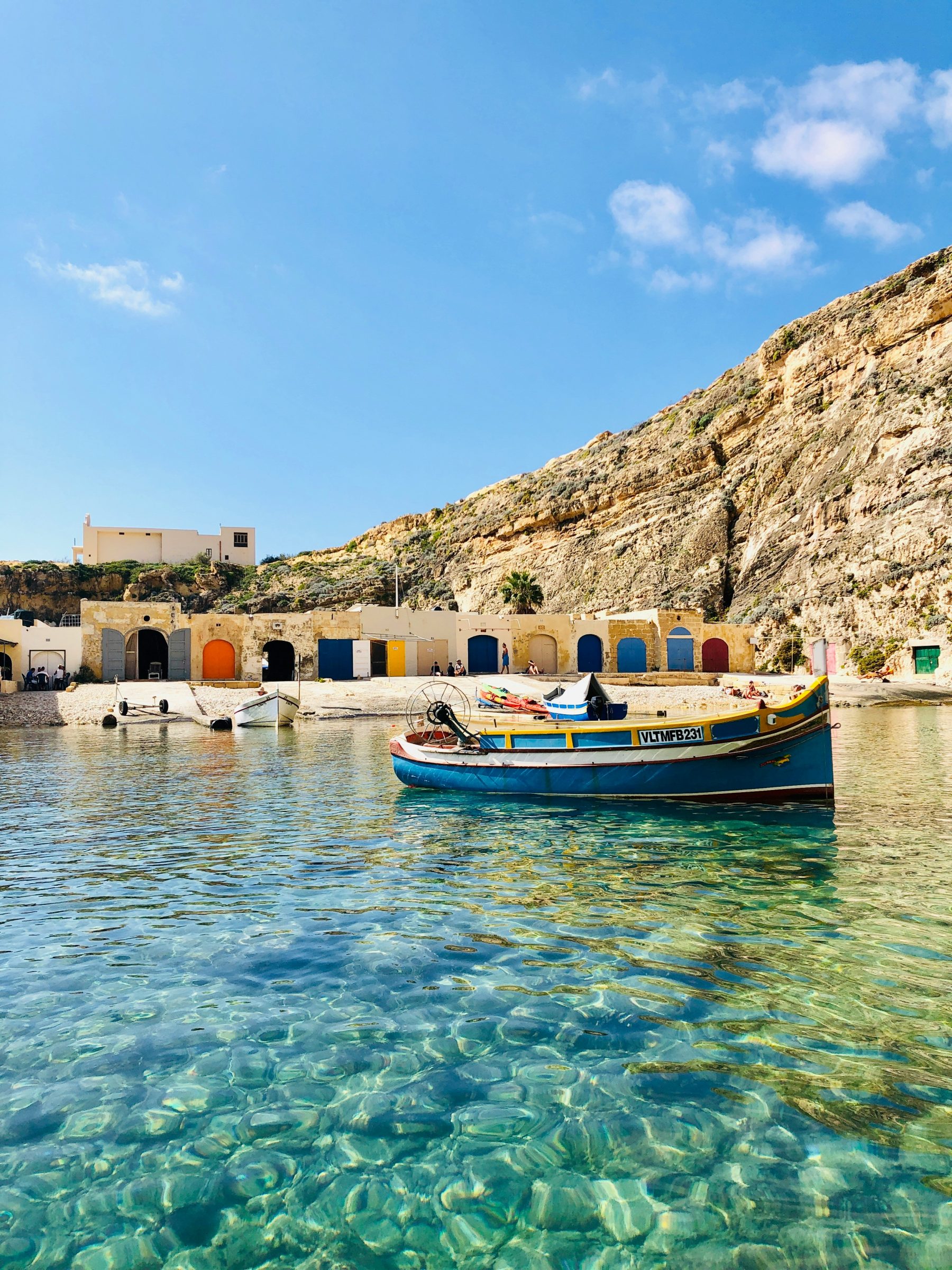
If you’re all about hot weather, beach days, and buzzing nightlife, summer is the best season to visit Malta. Expect sunny skies, clear turquoise waters, and average highs of 30–35°C (86–95°F). The islands come alive with festas, fireworks, concerts, and vibrant energy everywhere you turn.
Beaches like Golden Bay and St. Peter’s Pool are in their prime. Boat trips to Comino’s Blue Lagoon or Gozo’s hidden coves become a must. But with great weather comes great popularity—this is peak tourist season. Book your stay at Hotel Boeme well in advance to secure the best rates and room selection.
Key Summer Highlights
- Malta International Arts Festival (June–July)
- Feast of St. Paul’s Shipwreck (June)
- Village festas almost every weekend
- Diving season in full swing
- Tip: Early mornings and evenings are perfect for exploring cities like Valletta and Mdina without the heat.
Autumn (September to November)
Autumn is a sweet spot for travelers looking for pleasant temperatures, cultural activities, and fewer crowds. September still feels like summer—ideal for swimming and snorkeling—while October and November bring cooler weather perfect for hiking or wine tasting in Malta’s countryside.
Temperatures range from 20–28°C (68–82°F) in early autumn, gradually cooling by November. The sea remains warm enough to swim well into October.
This is also the season when Malta shines with local food festivals and historical reenactments. You get the best of both worlds: warm days without the intense heat or high prices.
Key Autumn Highlights
- Notte Bianca Festival in Valletta (October)
- Birgufest: A candle-lit celebration of history (October)
- Olive oil and wine festivals in the Maltese countryside
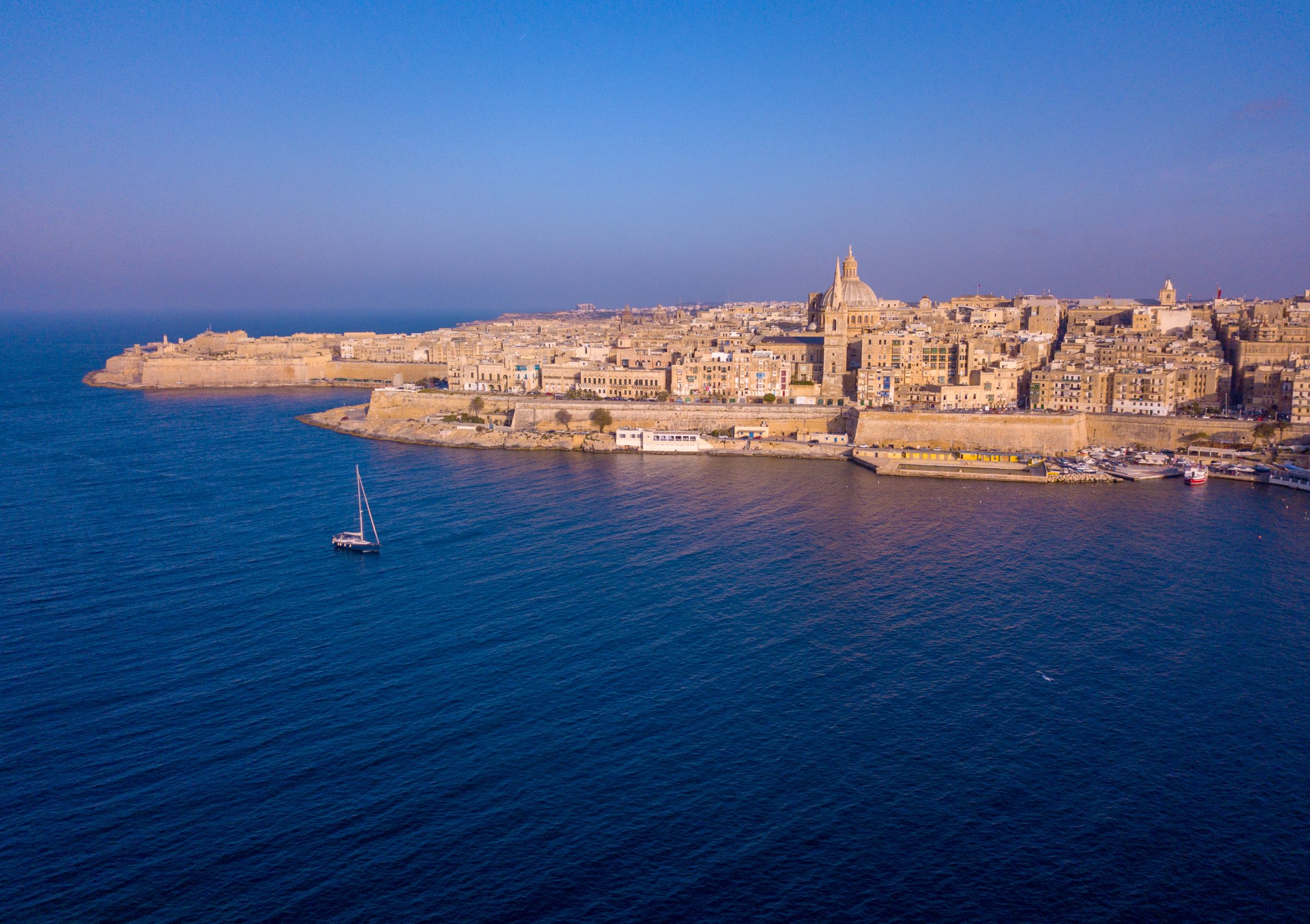
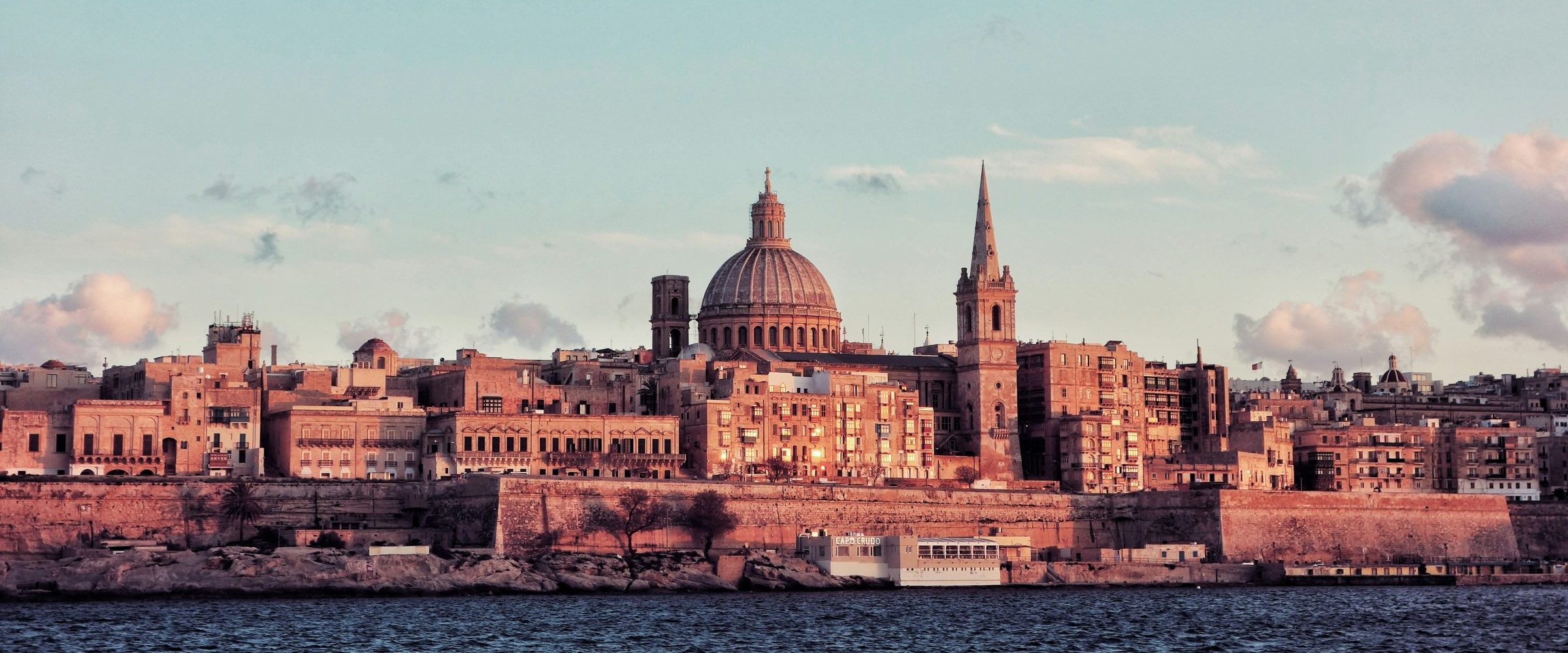
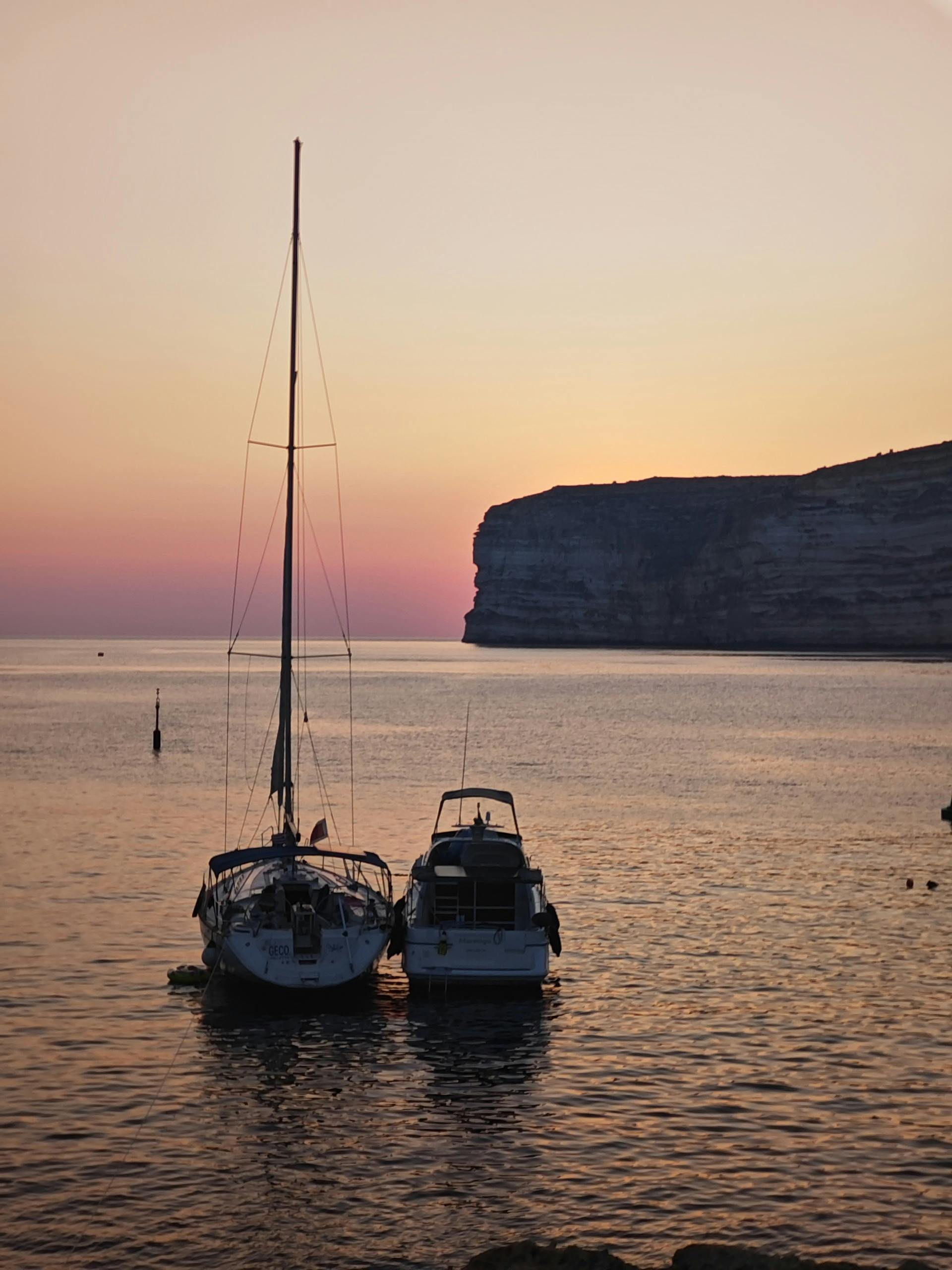
- Tip: Autumn sunsets over Valletta’s Grand Harbour are some of the most photogenic in the Mediterranean.
Winter (December to February)
While Malta isn’t a winter sun hotspot like the Canaries, it remains milder than most of Europe. Daytime temperatures hover around 12–18°C (54–64°F), and although some days are rainy, the skies are often blue.
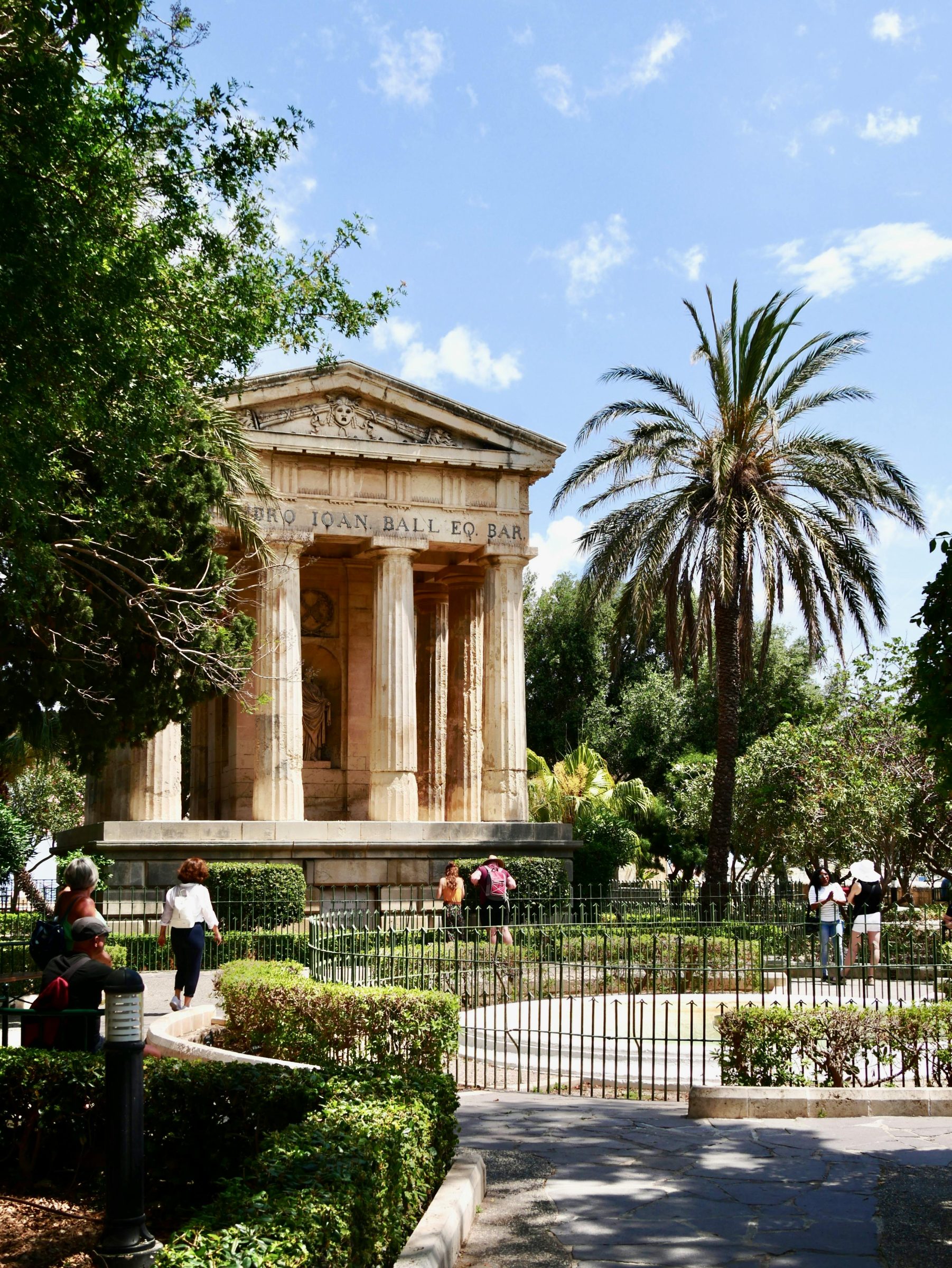
Malta’s festive spirit shines during the holidays, especially in Valletta, where streets are lit up, and events take over Republic Street. Museums, cathedrals, and fortified cities can be enjoyed in peace.
If you’re looking for a quiet escape or a budget-friendly cultural holiday, winter is the best time to go to Malta. Hotel rates are at their lowest, and you’ll enjoy top attractions without lines.
Key Winter Highlights
- Christmas Markets in Valletta (December)
- Carnival Season (February): colorful parades and costumes
- Ideal for history buffs and museum lovers
- Note: Most beach activities and boat tours pause during winter, but urban exploration and local immersion become more authentic.
What’s the Best Month to Visit Malta?
That depends on your travel goals:
- Best for beach & fun: June to early September
- Best for sightseeing & mild weather: April to June, September to October
- Best for deals & cultural peace: December to February
Hotel Boeme’s Recommendation?
Come in May or October for the best balance between great weather, affordable rates, and a peaceful yet lively atmosphere.
Where to Stay in Malta?
Nestled near Valletta’s historic charm and just minutes from the sea, Hotel Boeme offers the perfect base for your Malta adventure. Whether you’re chasing sunrises from our rooftop pool or winding down in our Finnish sauna after a city tour, we make every season unforgettable.
- Open-air rooftop pool with views stretching toward Valletta and the harbour
- Comfortable, modern rooms with stylish finishes and select in-room jacuzzis
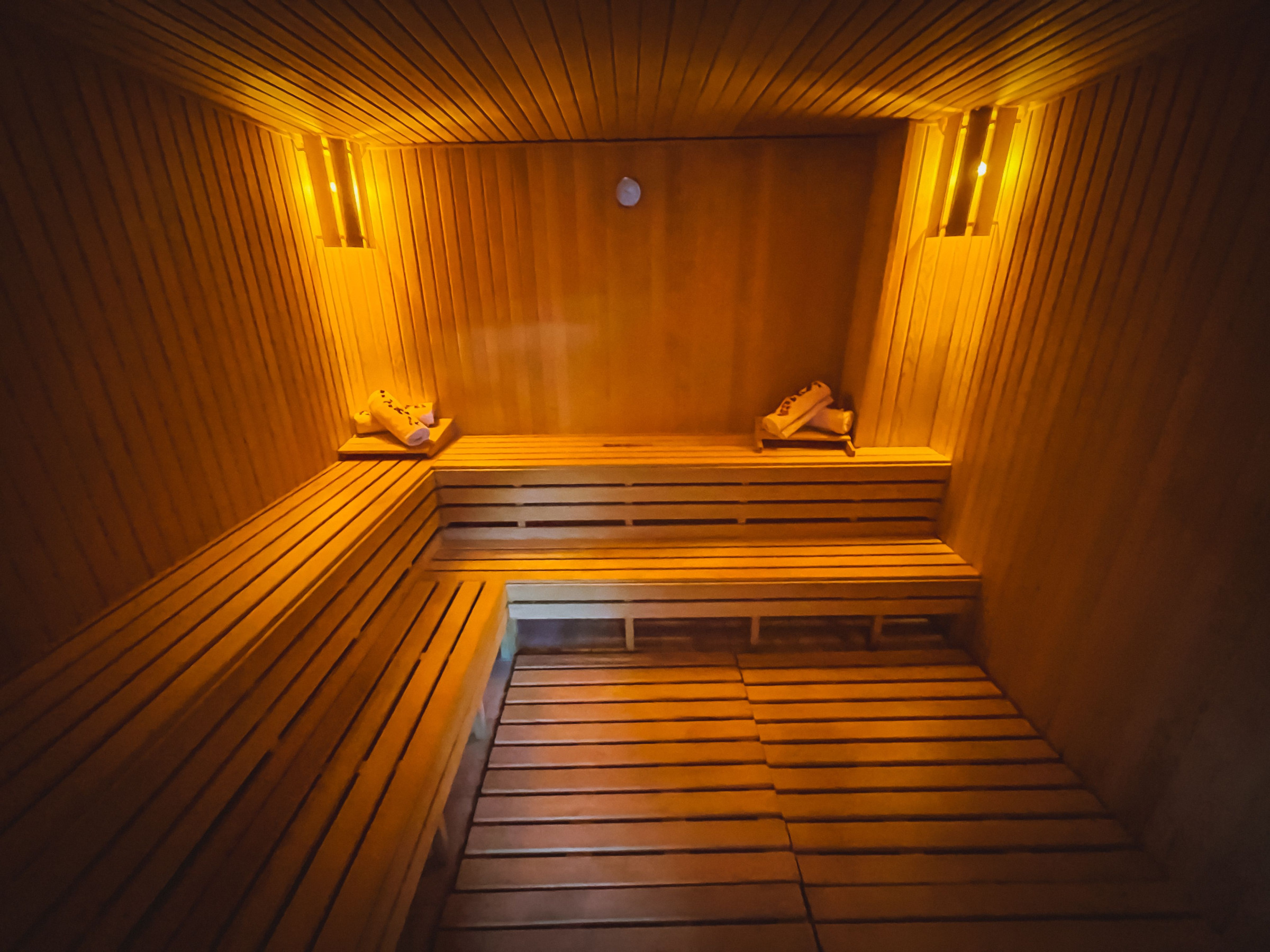
- Finnish sauna and jacuzzi on the rooftop for unwinding after a day of exploring
- Close to cafés, waterfront promenades, public transport, and ferries
- Friendly, personalised tips to help you enjoy Malta based on the season
Ready to plan your Malta getaway? Discover more about Hotel Boeme’s rooms, offers, and seasonal packages here.
Conclusion
There’s no wrong time to visit Malta—just different ways to experience its beauty. From beach holidays in summer to culture-rich winters, Malta caters to every kind of traveler.
No matter when you visit, Hotel Boeme is here to welcome you with exceptional service, local charm, and comfort tailored to the season.
FAQ’s
-
What’s the best month to visit Malta for a balanced experience?
May and October offer sunny days, fewer crowds, and better hotel rates. It’s the perfect mix of good weather and peaceful energy—ideal for sightseeing or relaxing by the sea.
-
Is Malta worth visiting in winter?
Definitely. Winters are mild, with festive events, quiet streets, and great hotel deals. It’s a calm, cultural season—ideal for exploring Malta’s history and charm.
-
Can you swim in Malta outside of summer?
Yes. The sea stays warm enough from April to October, especially in early autumn. It’s a great time for beach outings and snorkeling without the summer rush.